
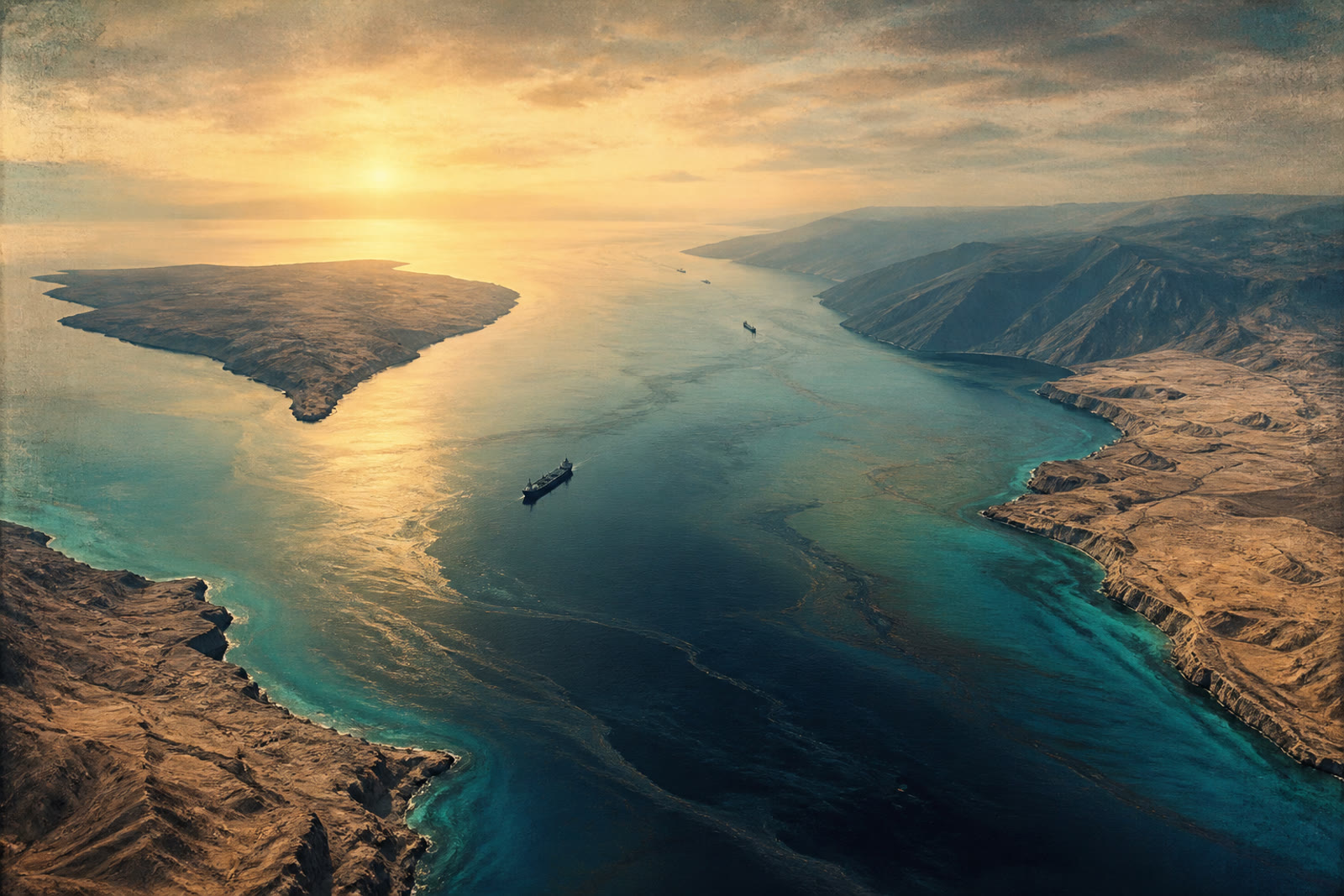
They are drawing lines on the water again, and somehow my commute still gets the invoice.
Monday’s reporting out of Dubai is blunt: Iran says it will announce a new restricted zone in the Gulf in the coming days, plus maps for a shipping corridor through the Strait of Hormuz — the chokepoint that used to carry about a fifth of the world’s oil. Mohsen Rezaei, secretary of Iran’s Supreme National Security Council, told state TV the zone starts where the U.S. blockade begins and stretches into Gulf waters. Any ship that enters, he said, gets added to a sanctions list. The corridor maps, he claimed,
Iran’s oil minister said Kharg Island had been hit around 550 times in prior months and still operates. U.S. Energy Secretary Chris Wright told CNN transits are averaging over 9 million barrels a day and roughly two-thirds of pre-conflict flows with pipelines around the Strait — which is a way of saying the Navy is “winning” while your diesel receipt still looks like a ransom note.
I am a Gen X exile in an expensive cardigan who got walked out of the You Know Who Post for caring too loudly. I can hold two truths: a blockade is policy, and a restricted zone is policy wearing a life jacket. Both treat ordinary people as externalities. Deb will text that we are not arguing geopolitics before coffee. Buck will say “just keep the boats moving.” The midterms will count the months of this “brief” war the same way my gas pump does — in dollars, not press releases.
Source it: CNA / Reuters, Sept. 7, 2026. Then look at your dashboard and ask who drew the line that made your life more expensive.
— Theo Ashford-Lindström, still soft for democracy, still furious about the invoice
sit in Iranian and Omani waters with Iran “managing” the route. Open Hormuz only when the Americans stop “sabotage, threats and attacks,” he added — which is diplomacy if diplomacy means a velvet rope made of missiles.
This is not vibes. Weekend strikes on shipping helped push oil higher Monday; Brent was up about $97 a barrel. Shipping data showed an average of about 10 commodity ships a day through the Strait over the past 10 days — the lowest since May. Six months after U.S.-Israeli strikes sparked this war, a June preliminary ceasefire has unraveled, tit-for-tat resumed after an August lull, and U.S. Central Command said it struck three Iranian oil tankers on Saturday after IRGC attacks on U.S. warships. CENTCOM also said it had redirected 92 commercial vessels, disabled three, and boarded two to enforce the blockade.


Leave a Reply